Home
About Work Packages Partners Deliverables
Living Labs
Materials Practice Abstracts Newsletter
News Contact
Facebook LinkedIn
Living Labs

SAVE Water Living Labs

Real-world laboratories testing water-saving management approaches across the Mediterranean and European regions.

SAVE water aims to demonstrate how Water Living Labs (LLs) can drive sustainable water management, identify key success criteria and pinpoint areas for improvement. The innovation of this project, compared with traditional approaches, lies in the integration of geomatics and artificial intelligence technologies within the living lab concept — enhancing real-time data analysis, fostering collaborative decision-making and enabling more effective testing and implementation of solutions that address real-world challenges.

The combination of a study site’s structured data collection with a living lab’s collaborative and participatory approach creates a powerful platform for both understanding complex challenges and developing practical, user-centred solutions. Water Living Labs are established in water-scarce areas across the Mediterranean and European regions of the consortium — from Tunisia, Morocco, Algeria and Egypt to Italy, Spain, Portugal and Germany — involving local stakeholders such as farmers, researchers, public authorities and civil society.

Distribution of the SAVE water Living Labs across the partner countries.

SAVE Water Living Labs by Country

SAVE water establishes Water Living Labs in water-scarce areas across the nine partner countries, each coordinated by a consortium partner and involving local stakeholders — farmers, researchers, public authorities and civil society — to test and demonstrate water-saving practices.

Living Lab in Tunisia
Tunisia

Living Lab in Tunisia

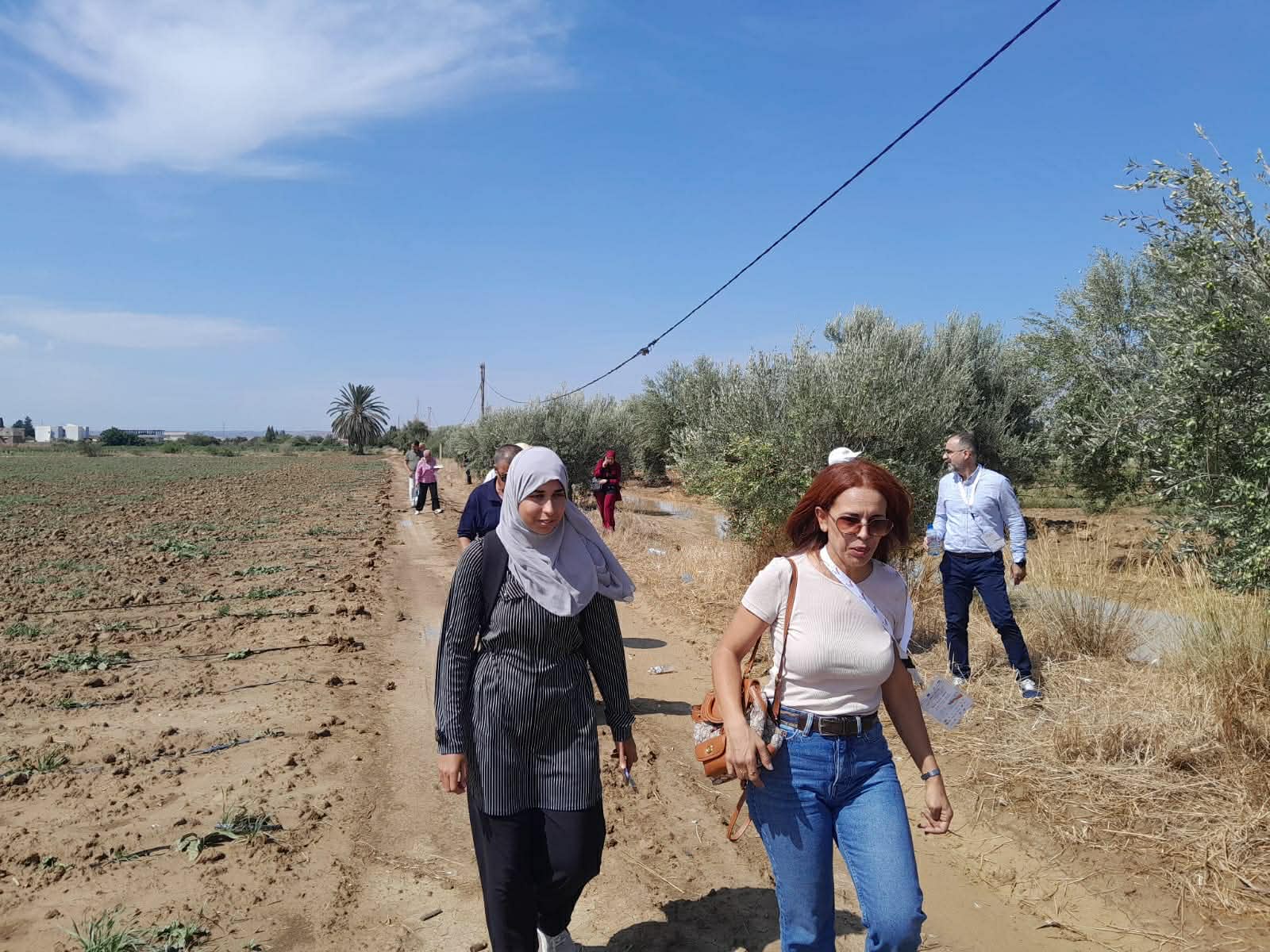
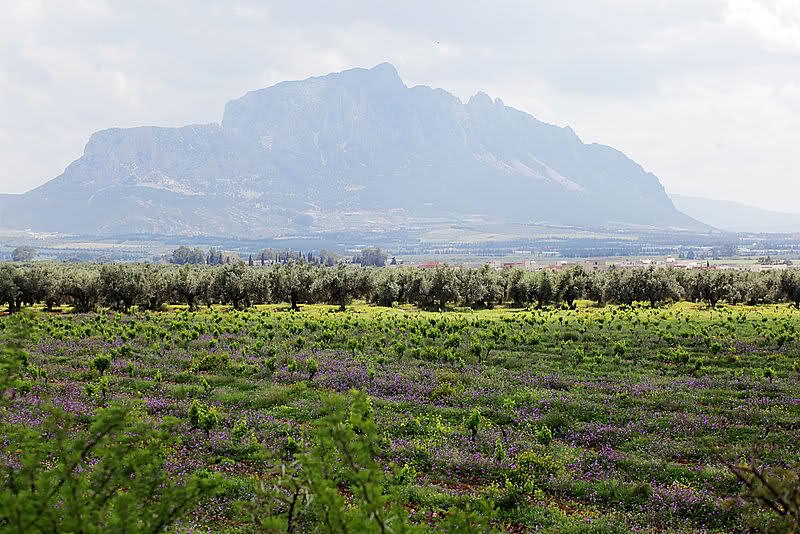
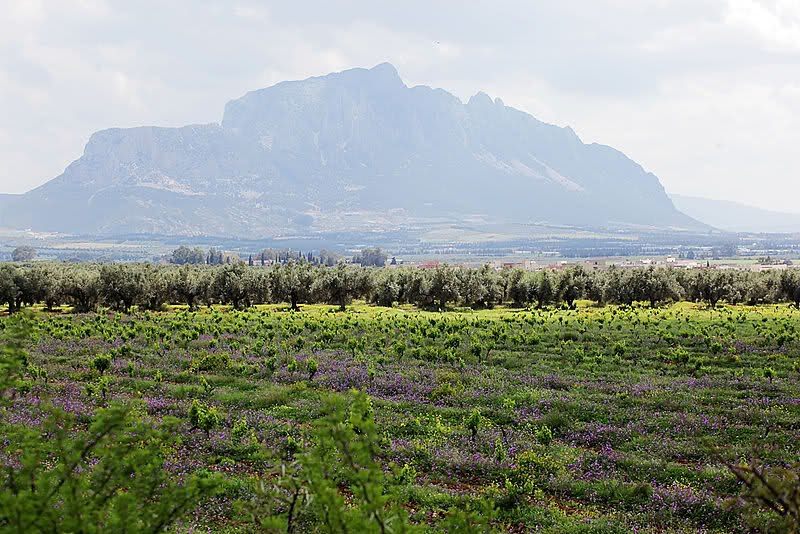
Developed by the Tunisian partners FST and MSE, the Tunisian Living Lab is located in Greater Tunis and northern Tunisia (Tunis, Mornag, Manouba, Ras Jebel–Bizerte) as well as in Gabès (southern Tunisia). One selected pilot site is the phreatic aquifer of Manouba, lodged in the Plio-Quaternary sediments and exploited by 979 wells; the second is the plain of Mornag, about 20 km southeast of Tunis. The LL uses low-cost sensors and a participatory approach for data updates and vulnerability model validation through stakeholder feedback.
Living Lab in Morocco - Charf El Akab
Morocco

Living Lab in Morocco — Charf El Akab (FSTT & UGE)

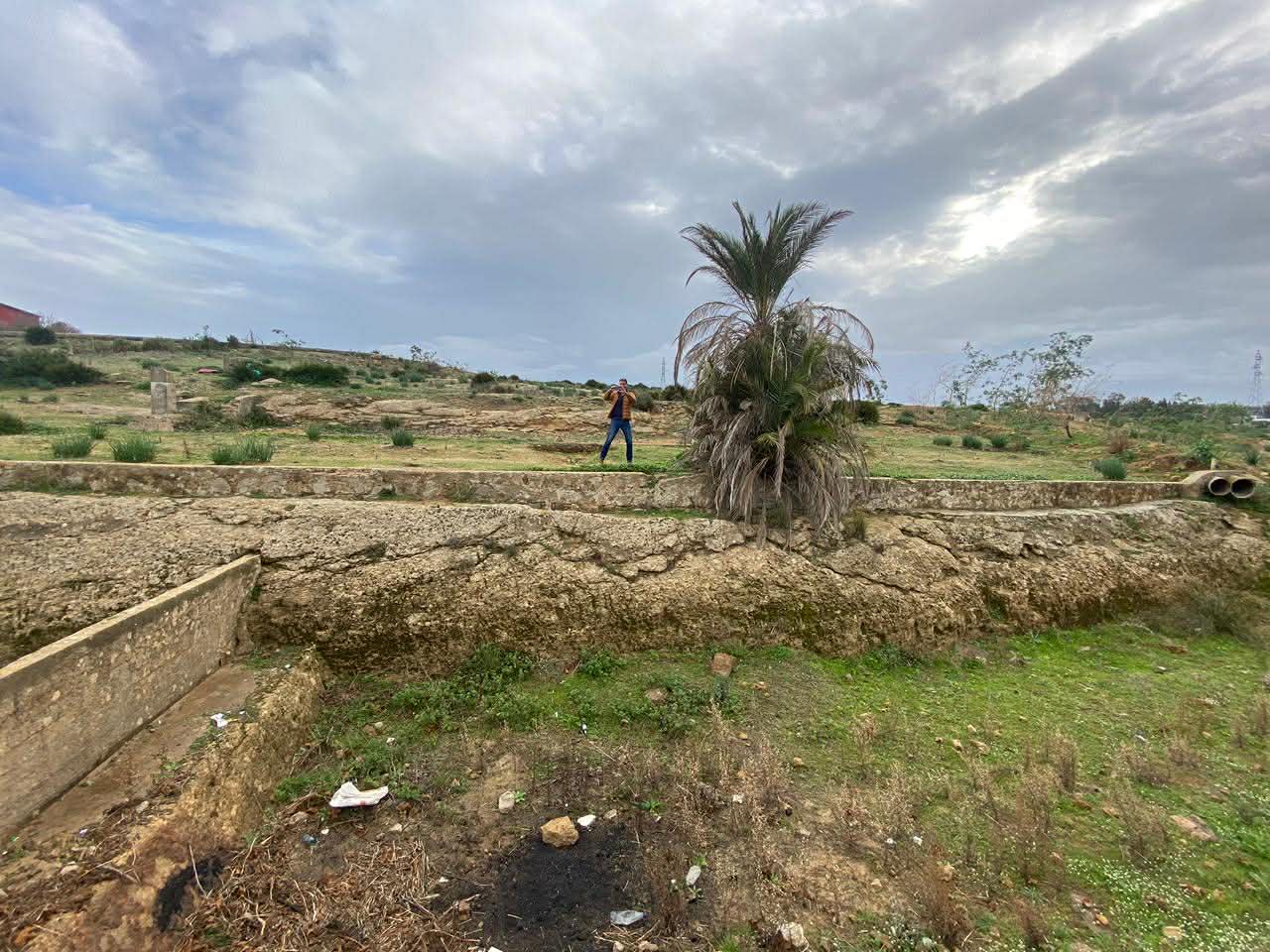
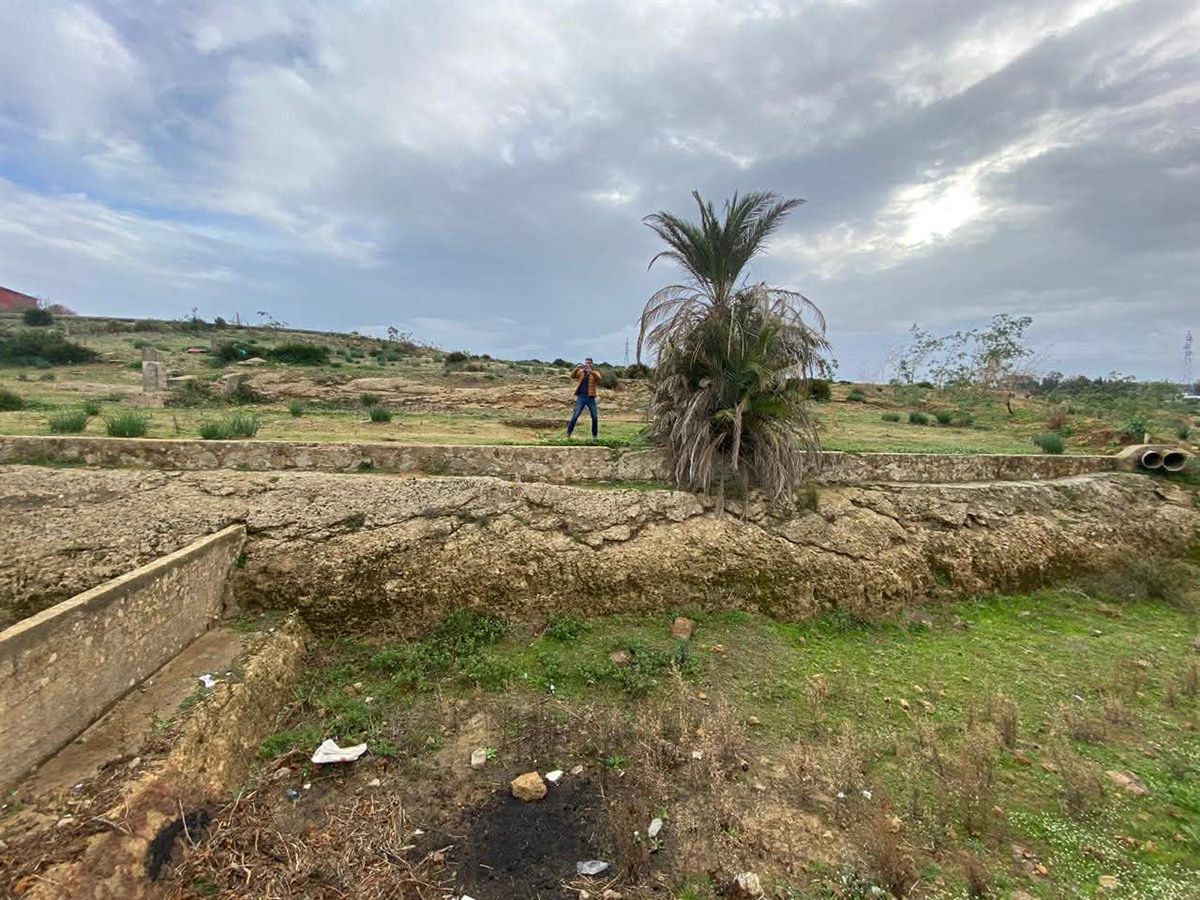
The FSTT and UGE partners focus on the Charf El Akab aquifer in the northern coastal area of Morocco, overexploited by intensified agriculture and growing water demands from local populations, leading to a gradual decline in piezometric levels and a rising risk of saline intrusion from the Mediterranean Sea. The site functions as a living lab for water vulnerability modelling under external shocks such as sea water intrusion, pollution and socio-economic impacts.

Living Lab in Portugal - Alentejo
Portugal

Living Lab in Portugal — Alentejo

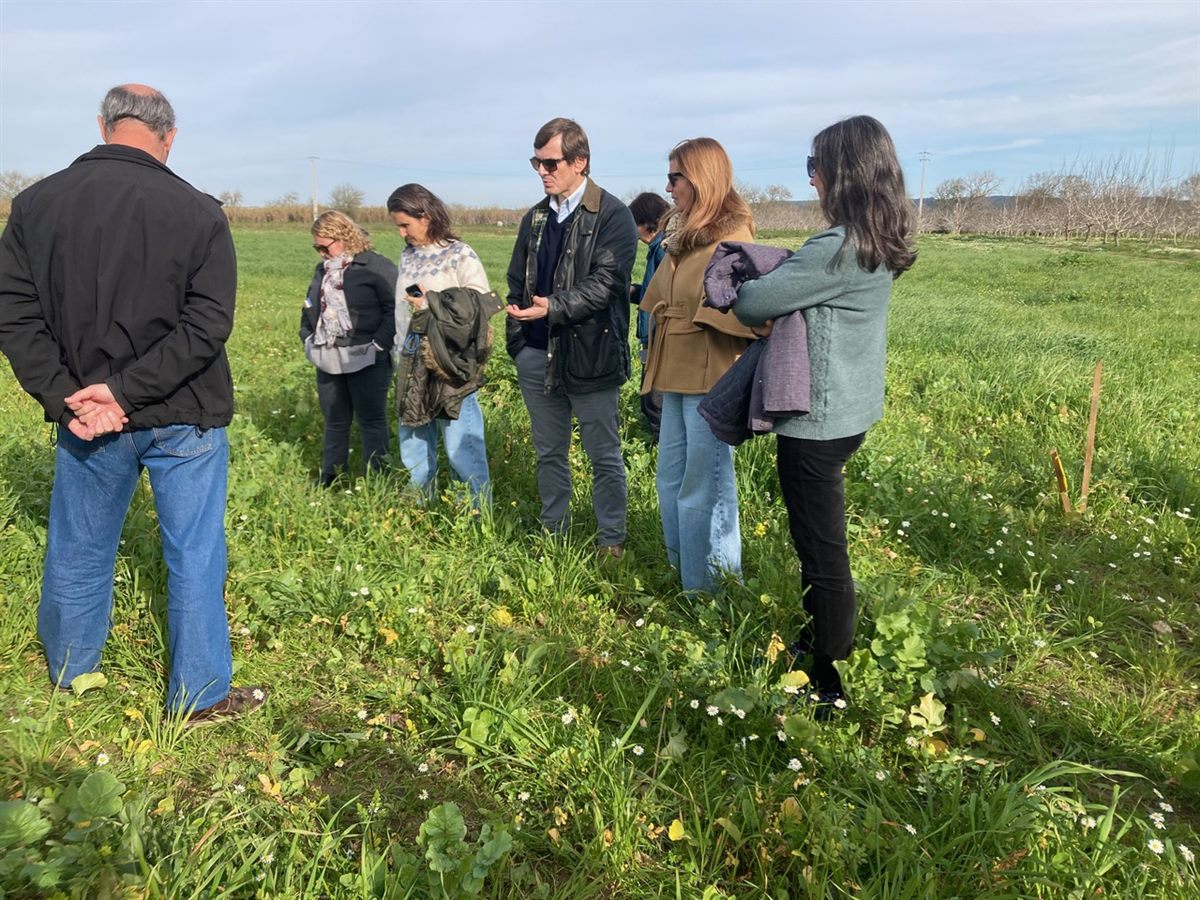
The Portuguese Living Lab is located in Alentejo, a region with hot, dry summers and mild winters where high evapotranspiration presents significant water management challenges. It covers rural agricultural zones and coastal regions, managing diverse water sources — rainwater, groundwater, desalinated water and treated wastewater — and monitoring water use efficiency, crop yield per drop, soil water retention, runoff, biodiversity and soil fertility.

Living Lab in Morocco - Ait Bouguemez
Morocco

Living Lab in Morocco — Aït Bouguemez (IAV & CIRAD)

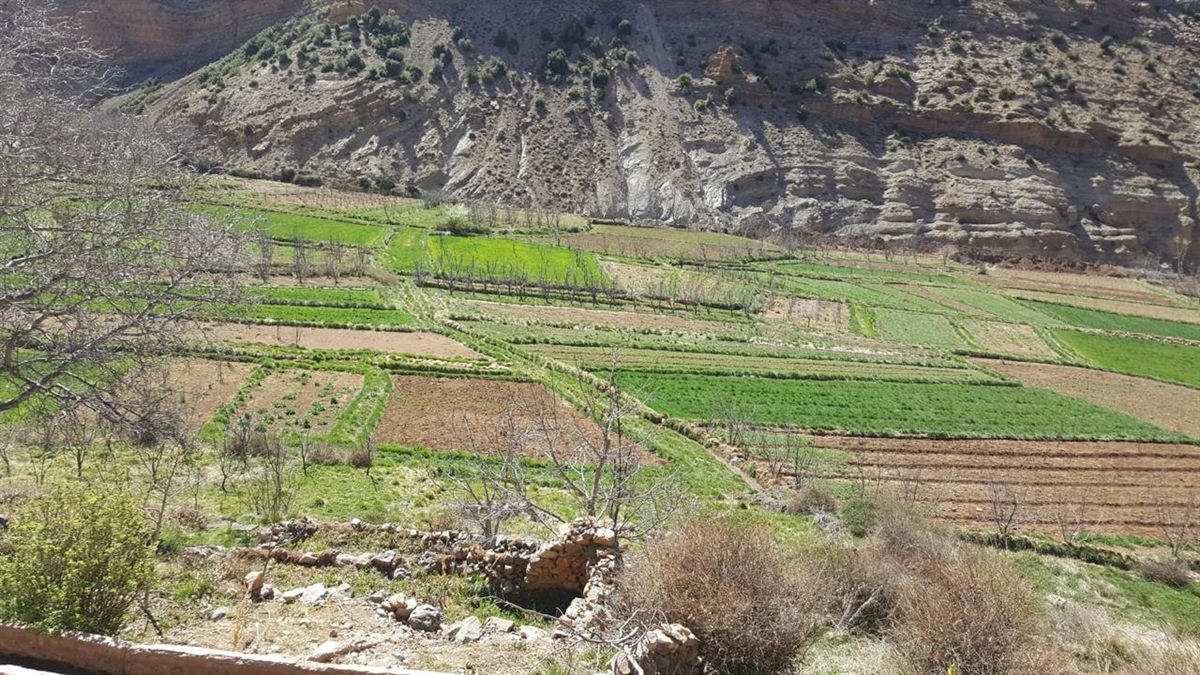
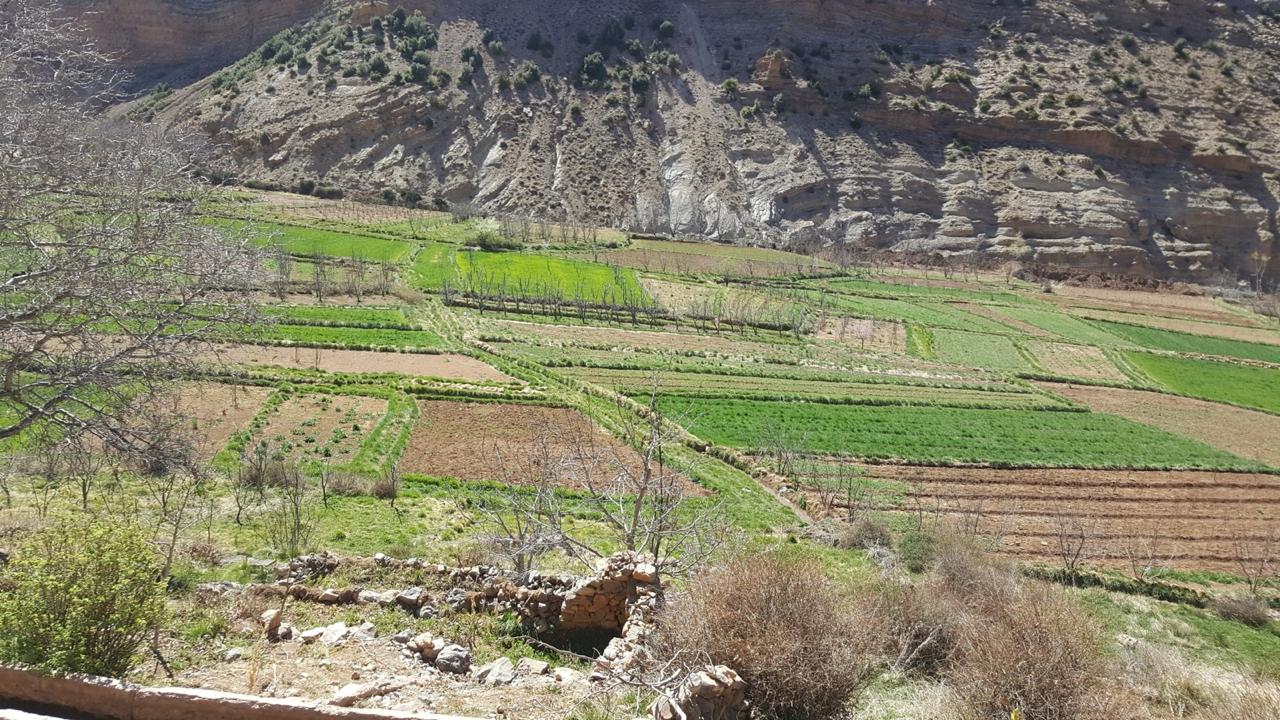
The CIRAD and IAV Living Lab studies the Aït Bouguemaz Valley in the Tabant administrative district, an arid region with cold, snowy winters and very dry, hot summers. The valley’s economy is primarily based on subsistence agriculture and livestock farming, with recent changes introducing new crops. The LL develops new tools to monitor land use changes and assess their impacts on the hydrological system.

Living Lab in Italy - Agrianto
Italy

Living Lab in Italy — Agrianto (ISASI-CNR)

The Italian Living Lab, developed by ISASI-CNR and Agrianto, focuses on extreme climate events such as heat waves, droughts and heavy rainfall. It uses innovative meteorological monitoring systems, including commercial microwave links (CML) for measuring rainfall, fog, dew and humidity, and adopts a citizen science approach with low-cost sensors that engage local communities in environmental data collection.

Living Lab in Algeria - Annaba
Algeria

Living Lab in Algeria — Annaba (UBMA)

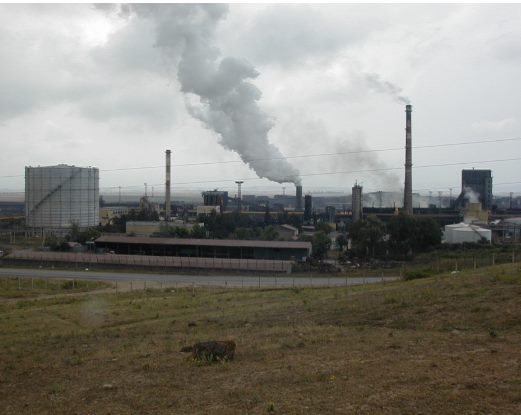
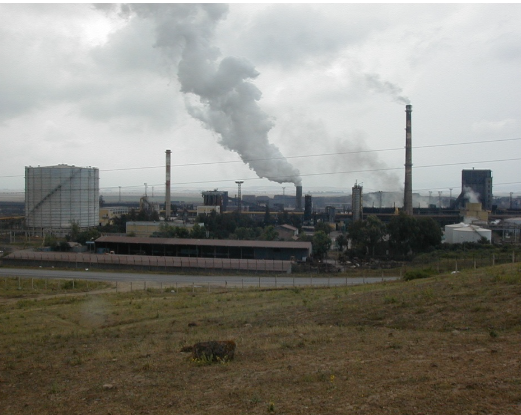
The Algerian Living Lab, developed by the UBMA partner, focuses on the Annaba basin, bordered to the north by the Mediterranean Sea and stretching from Annaba to Guelma in the south. Rapid development has led to the pollution of the Oued’s waters. The LL aims to develop innovative solutions to preserve water, monitor water consumption and prevent pollution and overuse before and after the construction of the Debbagh dam.

Living Lab in Egypt - Fayoum
Egypt

Living Lab in Egypt — Fayoum (FOAFU)

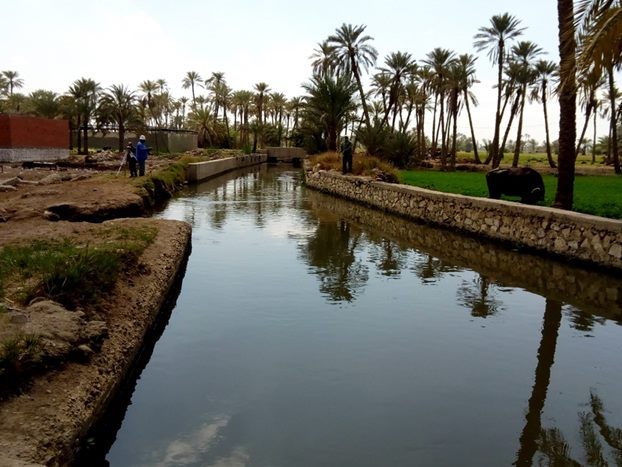
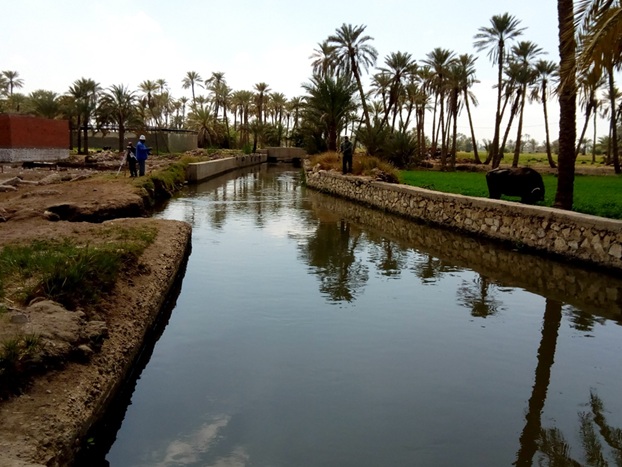
The Egyptian Living Lab focuses on the Fayoum region, specifically the Fayoum Depression, an inland, closed drainage basin southwest of Cairo and the largest inhabited oasis in the world. A major challenge is the shifting agricultural landscape affected by informal urbanization and agricultural expansion; a selected irrigation canal catchment is used as a case study, with the LL serving as a collaborative platform that integrates geospatial technologies.

Living Lab in Galicia, Spain
Spain

Living Lab in Galicia, Spain (USC)

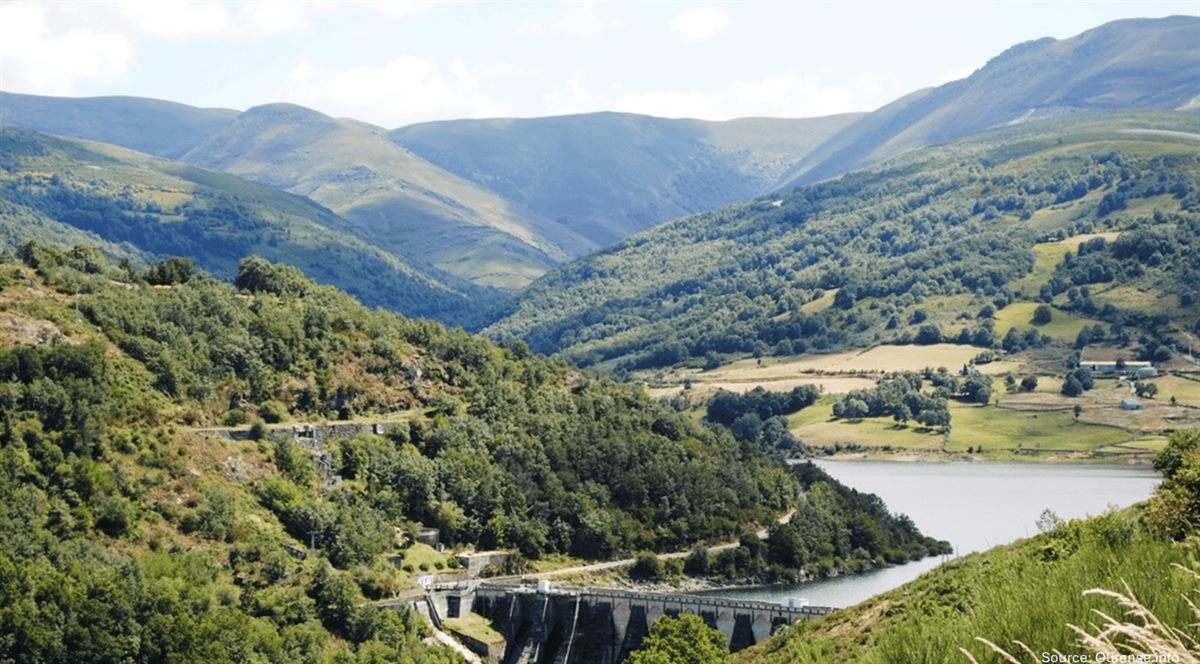
The Spanish Living Lab is focused on the Galicia region, which faces similar challenges of water scarcity under climate change. It aims to promote ethical practices and responsible groundwater management, integrating environmental law, social sciences and cultural values.

Living Lab in Berlin-Brandenburg, Germany
Germany

Living Lab in Berlin-Brandenburg, Germany (TU Berlin)

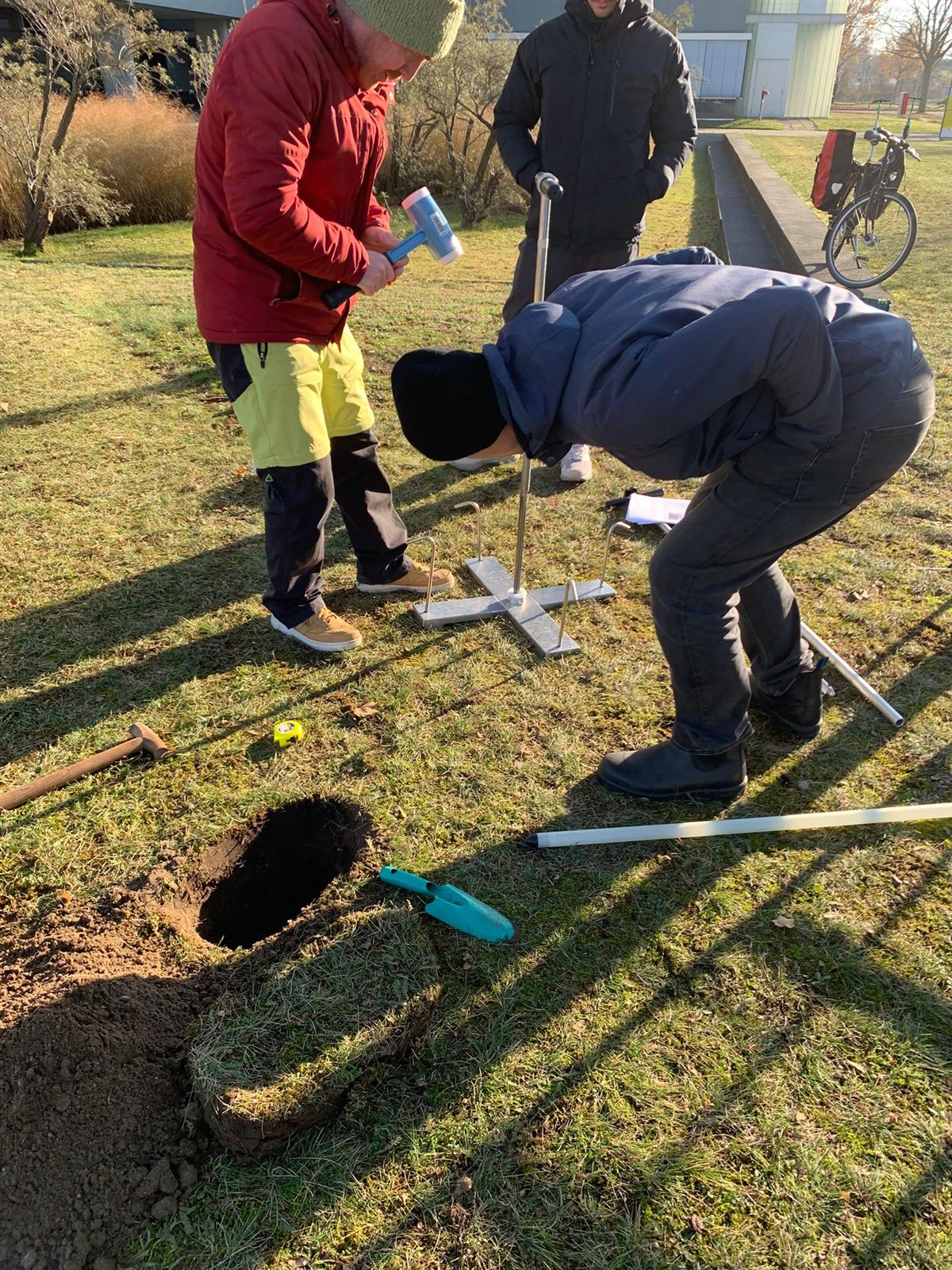
Besides the Mediterranean study sites, the project includes the Berlin-Brandenburg area, prone to severe droughts, water scarcity and heat waves. Berlin has been recognized as a global pioneer in sustainable urban water management and serves as a model city, functioning as a living lab for modelling urban water indicators thanks to its advanced infrastructure for hydrological and climatological measurements.

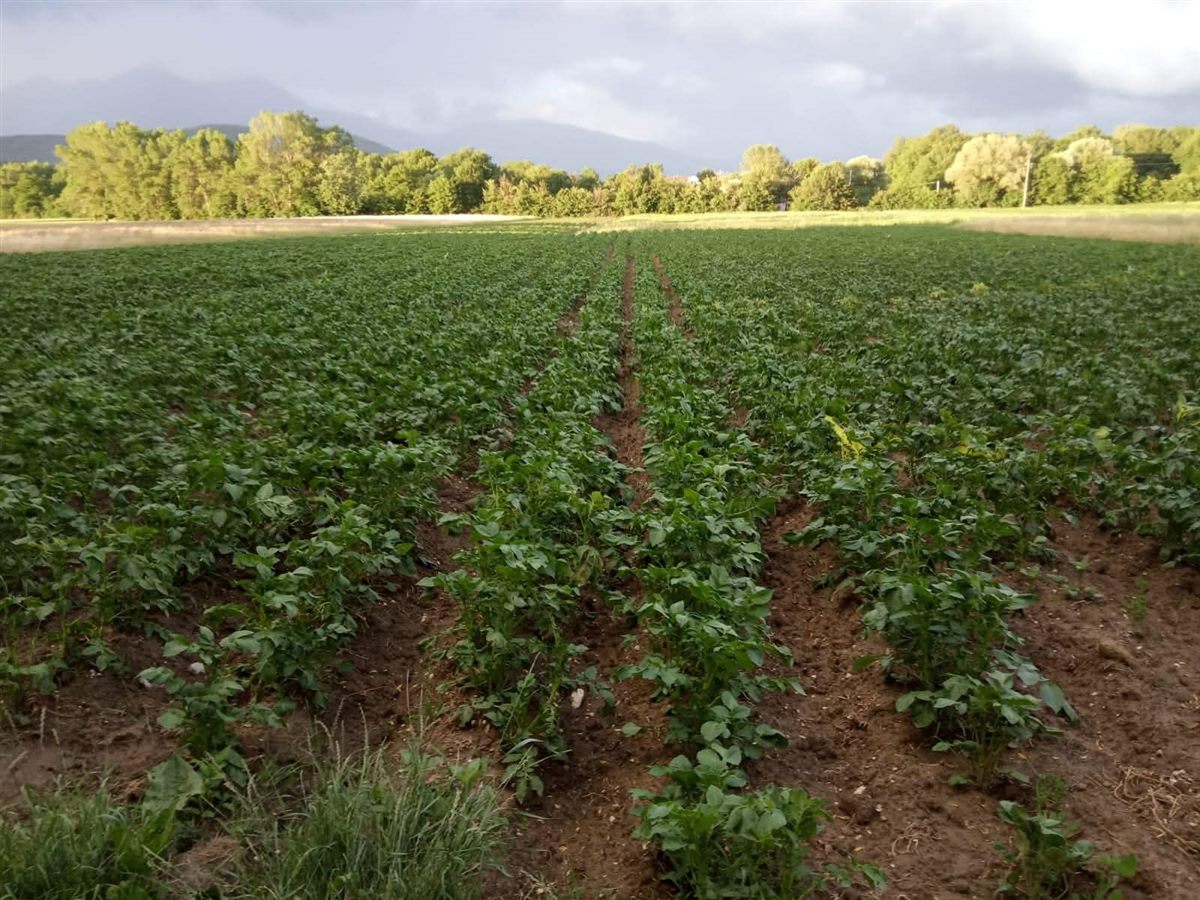
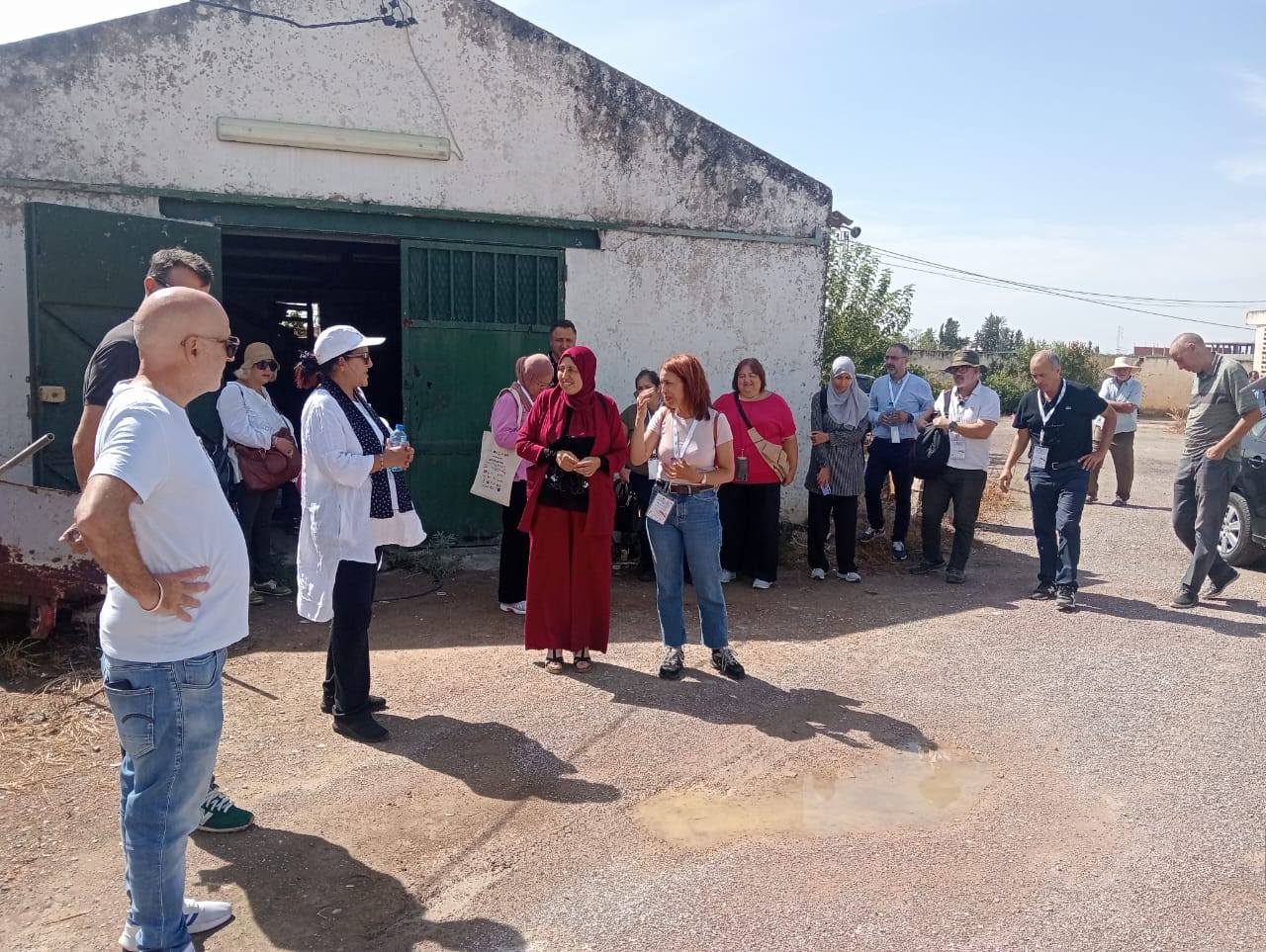
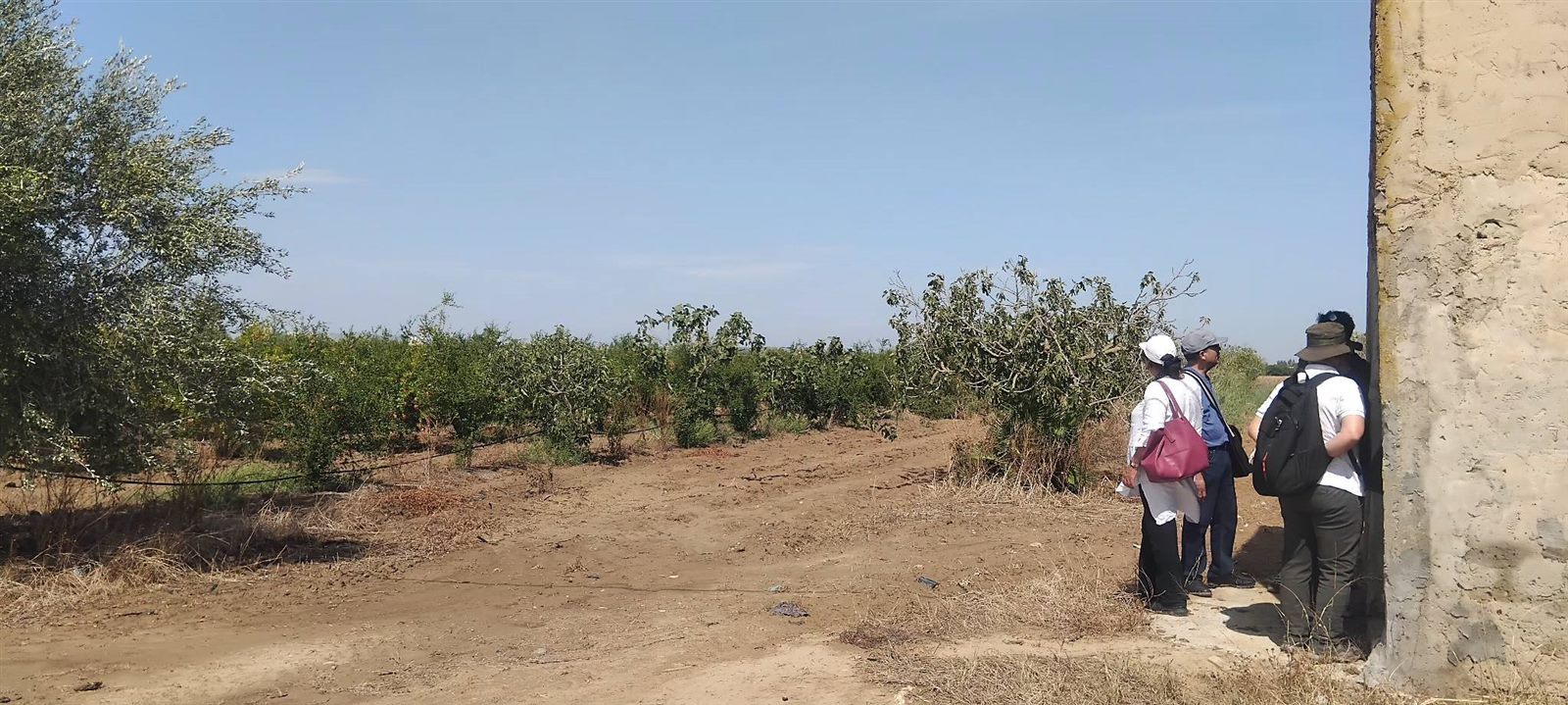
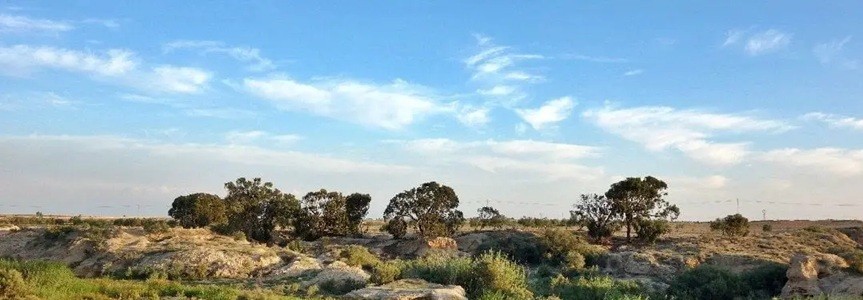
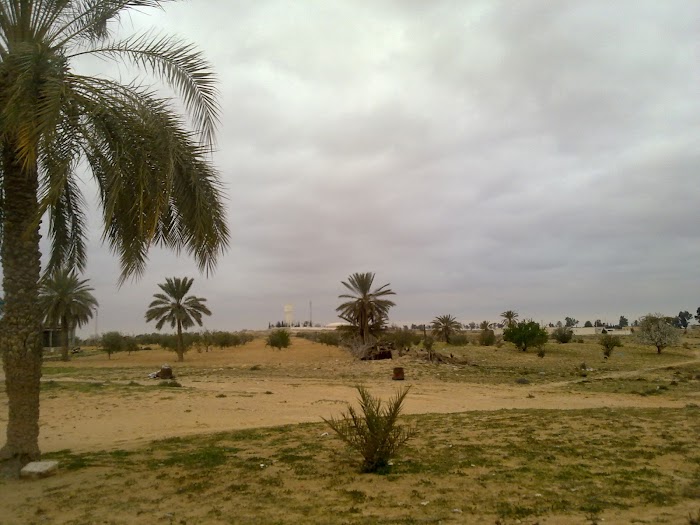
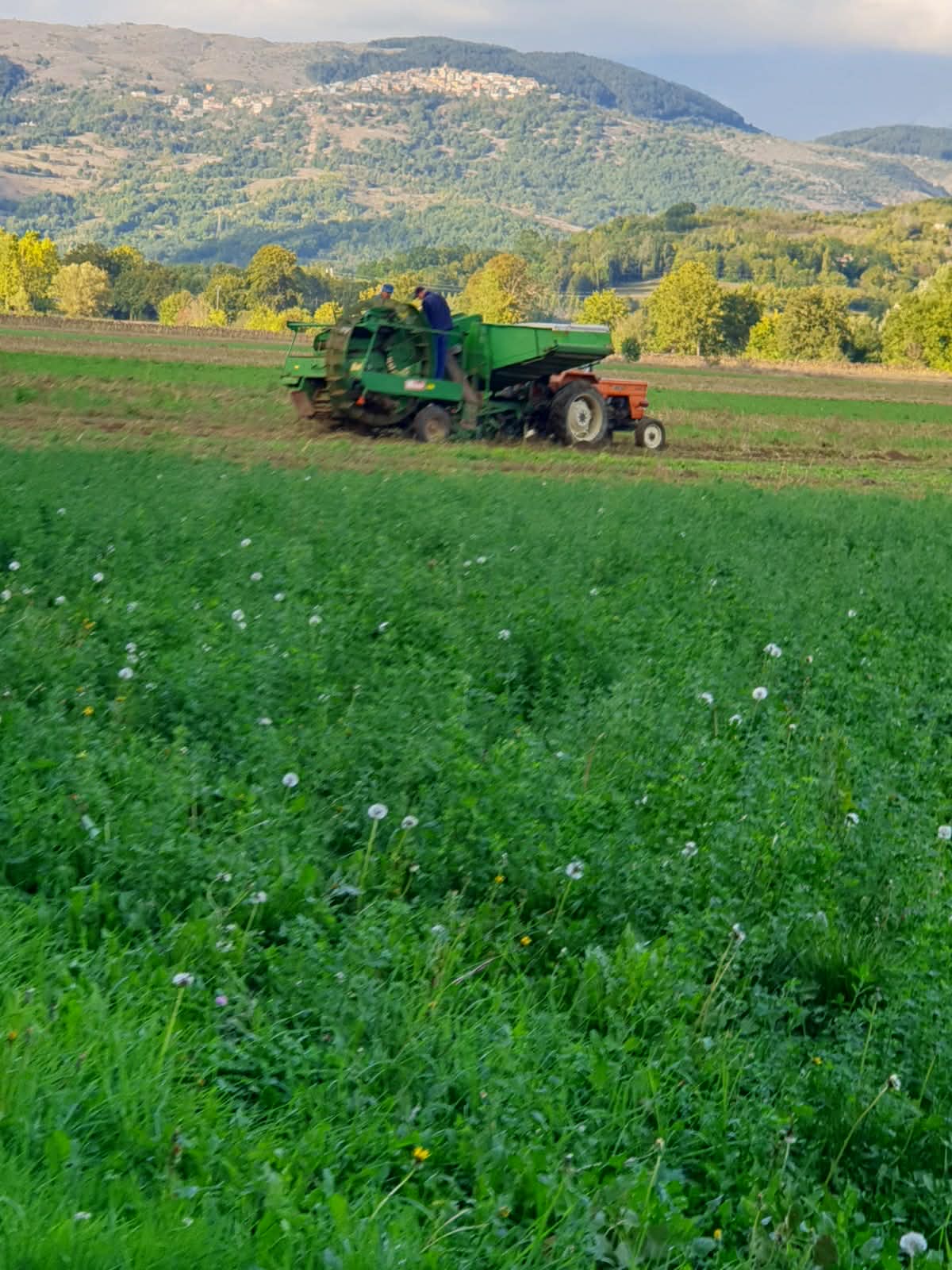
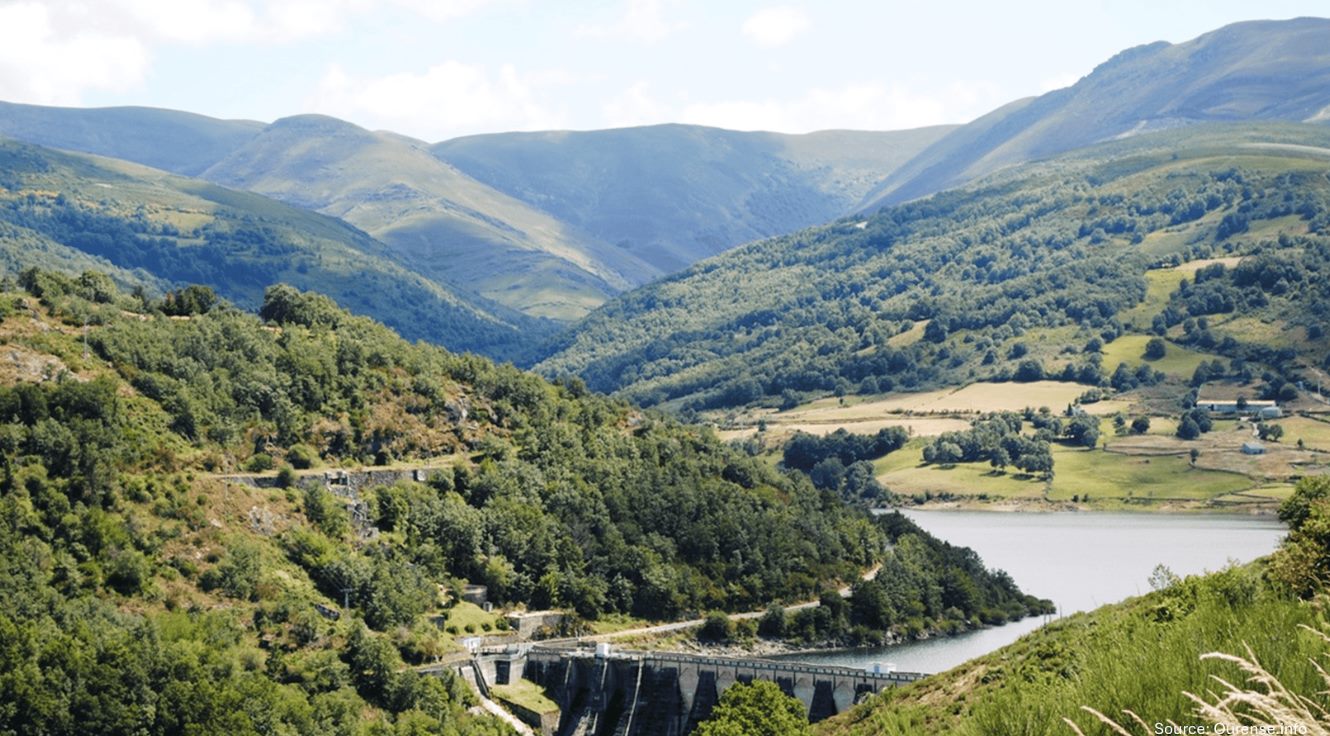
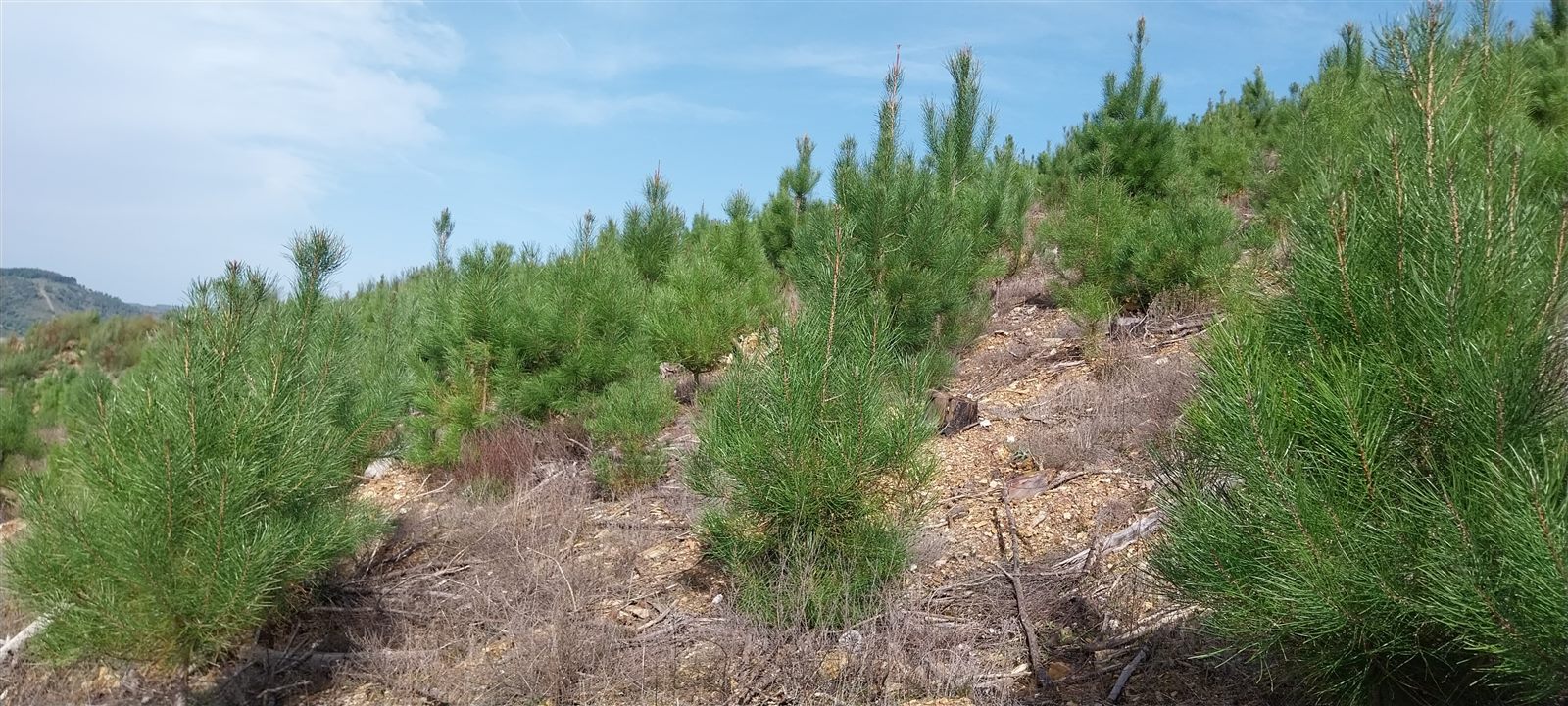
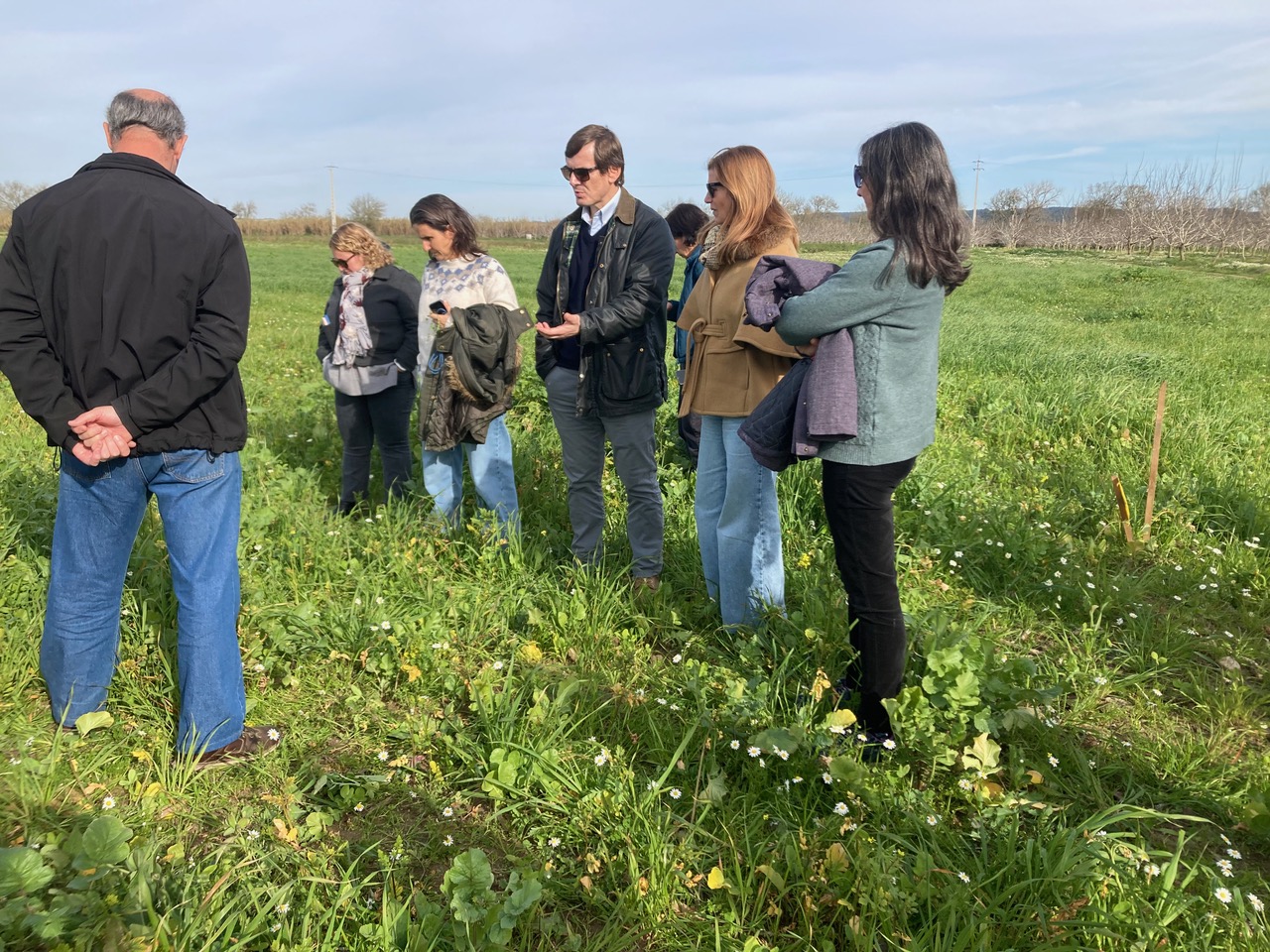
Study Site Photo Gallery

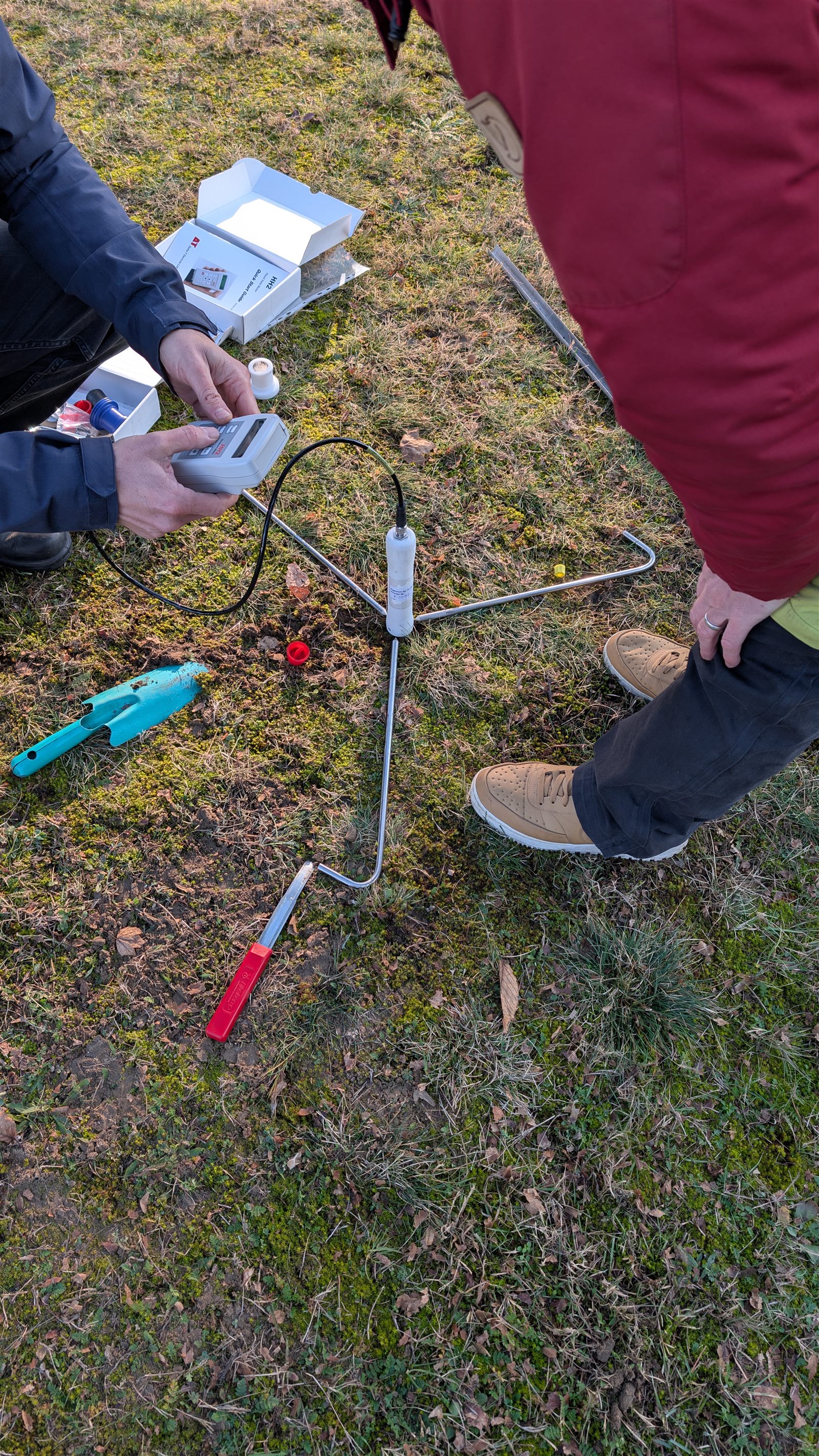
A selection of photographs from the SAVE water study sites across the Mediterranean and European regions, captured during project fieldwork, monitoring campaigns and study visits.